
Written scope that matches the walkthrough
You should know exactly which rooms, ceilings, trim, doors, and exterior components are included, plus what prep steps are planned for each surface.
Serving Raleigh, North Carolina & surrounding areas
Mon–Fri 8am–6pm · Sat 9am–2pm
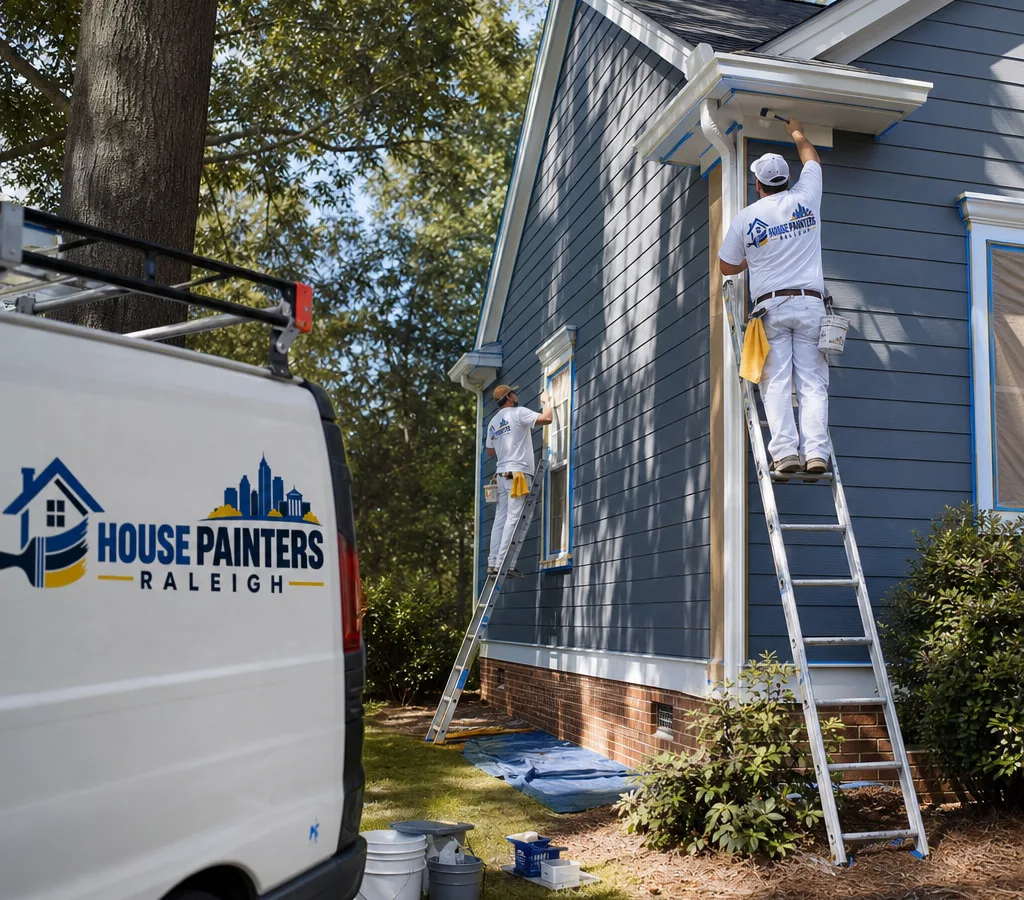
Painting contractor · Raleigh, NC
Get a clean, well-managed paint job with thorough prep, sharp cut lines, and a schedule you can plan around for your home or business.
Prep-first painting
If you are searching for a painting contractor Raleigh NC property owners can rely on, start with the basics that make paint last: correct prep, the right primer, and a finish coat applied at the right thickness on a clean, sound surface.
House Painters Raleigh handles residential and commercial painting across Raleigh, NC with a practical, jobsite-first approach. That means we define what is getting painted—and what is not—we protect floors and landscaping, and we keep edges straight at trim, doors, and window casings.
Raleigh has plenty of surfaces that punish shortcuts: sun-exposed siding, humidity that can slow dry times, and older wood trim that needs careful scraping and spot-priming before it will hold paint. When the prep is right, the final coat looks better on day one and stays bonded longer.
Jobsite standards
You should know exactly which rooms, ceilings, trim, doors, and exterior components are included, plus what prep steps are planned for each surface.
Drywall repairs, caulk at trim transitions, patching nail pops, sanding glossy areas, and scraping failing paint are chosen based on what is actually on the wall.
Drop cloths, masking, and careful staging keep paint off floors, fixtures, hardware, and landscaping. The work area stays usable and safe.
Cut lines at ceilings and trim, uniform coverage, and correct sheen selection—flat, eggshell, satin, or semi-gloss—make the finish look intentional, not patchy.
You get realistic timing, communication about cure and recoat windows, and a clean reset at the end of each day so the project does not sprawl.
Interior, exterior, and commercial
As painting contractors in Raleigh NC, we see the same decision points come up on nearly every project. Here is how we handle them so you are not guessing.
Interior painting: We focus on repair and surface uniformity before color. That includes patching and sanding so the wall does not telegraph repairs through the finish, spot-priming where needed, then applying the correct sheen for the room. Bathrooms, laundry rooms, and kitchens usually need more moisture-tolerant products than a living room.
Exterior painting: The biggest variable is substrate condition. Wood trim and fascia often need scraping, sanding, and selective replacement if rot is present. Fiber cement and siding need proper cleaning and dry time before primer and topcoat. Sun-facing elevations and high-traffic touchpoints such as doors and handrails may need more durable coatings.
Commercial painting: Clean lines, protection, and a predictable schedule matter most. We plan around access, operating hours, and drying windows so your space stays functional.
If you are still comparing options, starting with an overview of Raleigh painting services can help you narrow scope before you approve a schedule.
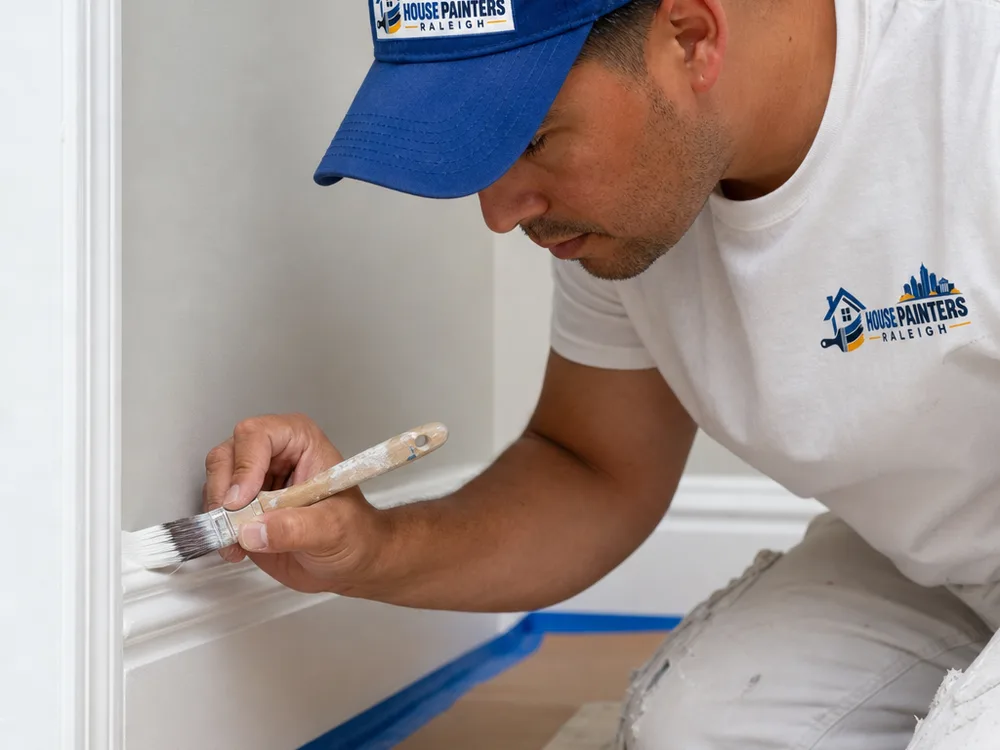
From walkthrough to touch-ups
We look at what is being painted, note repairs, and identify problem areas like peeling paint, water stains, or glossy surfaces that need deglossing or primer.
You get a clear list of areas included, prep steps, and coating type—primer plus finish. We confirm colors, sheen, and special considerations such as odor sensitivity or access.
We cover floors and furnishings, mask what needs clean edges, then patch, sand, caulk, scrape, and prime so the finish coat bonds properly and looks uniform.
We apply finish coats using the method that fits the surface—brush, roll, or spray where appropriate—keeping wet edges and consistent coverage to avoid lap marks and flashing.
We review the work with you, address touch-ups, remove masking carefully, and leave the space clean. You also get straightforward guidance on dry and cure timing before heavy use or washing.
Planning your budget
Most interior and exterior painting projects in Raleigh typically range from about $600 to $3,500+, depending on the size and how much prep is needed. A single room repaint is often on the lower end, while multi-room interiors, stairwells, high ceilings, or full exterior repaints land higher.
Final price changes with surface condition such as patching, sanding, and peeling paint; access such as two-story work or tight landscaping; trim and door counts; color changes; and whether primer is required. The exact cost is confirmed after an on-site walkthrough so the scope and prep match the surfaces you actually have.
Finished work
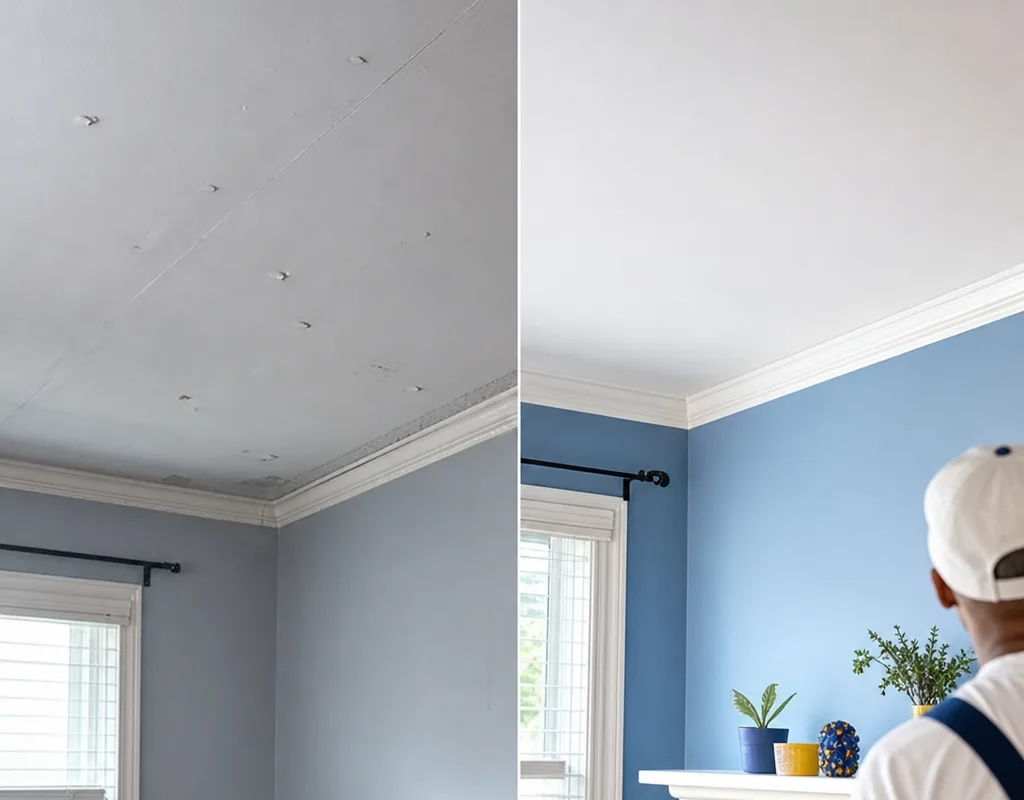
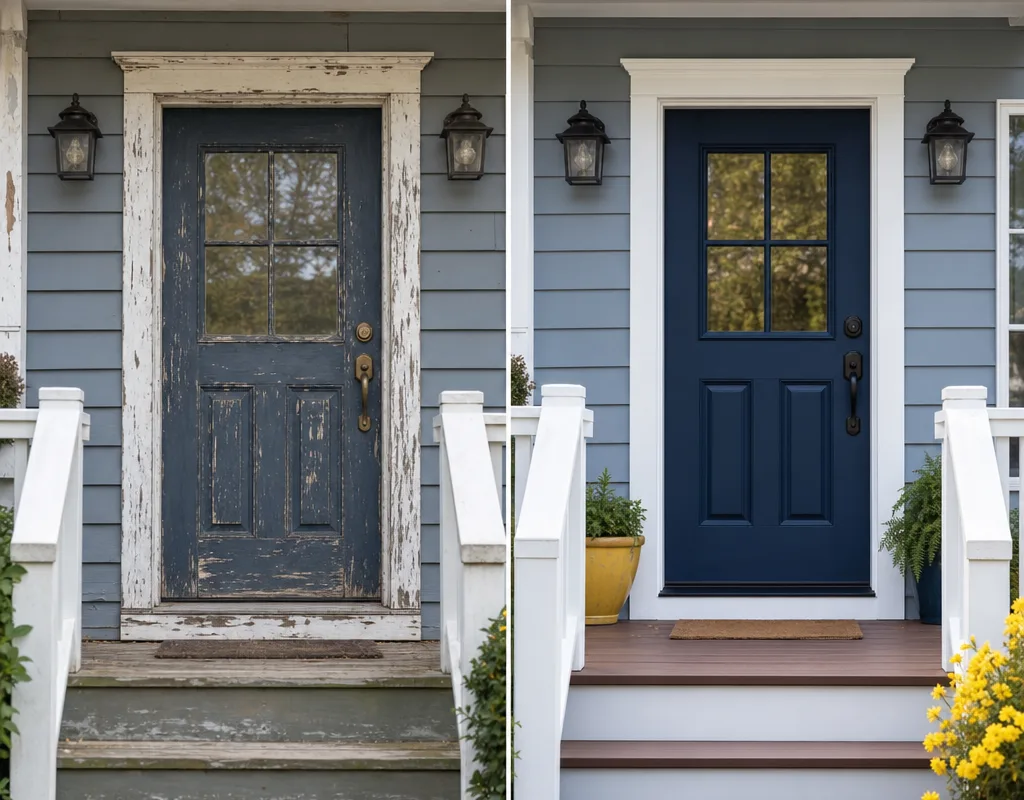
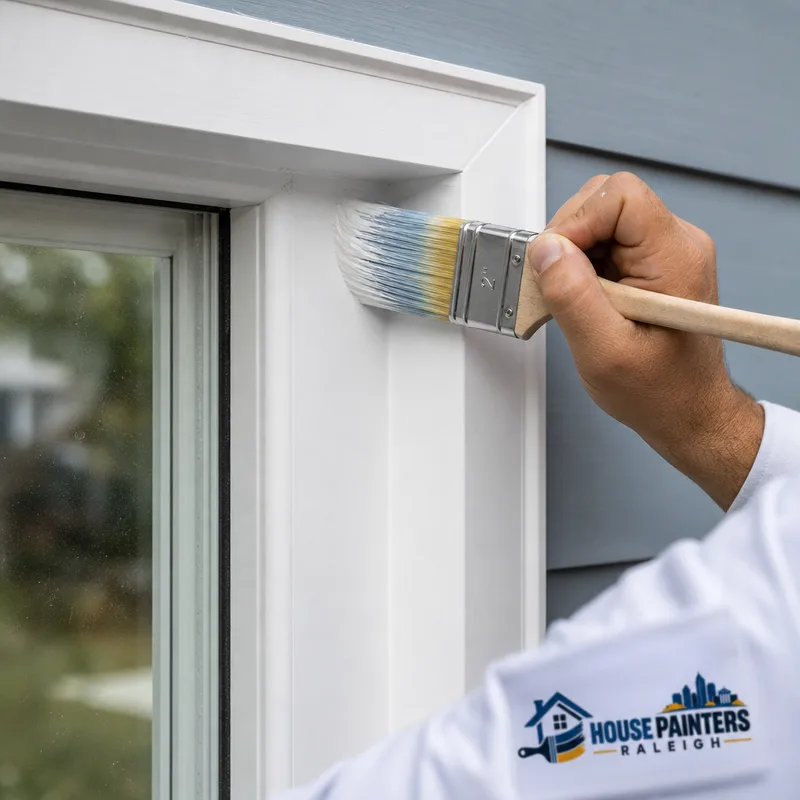
Raleigh conditions
Paint fails for predictable reasons, and Raleigh conditions can speed them up when the prep is rushed.
Humidity and summer heat: Dry-to-touch is not the same as cured. In humid weather, recoat and cure times can stretch, especially on doors, trim, and cabinets where the film is thicker. We plan coat windows so the finish hardens properly before heavy use.
Sun exposure and fading: South and west-facing exteriors take more UV. Product selection, sheen, and thorough coverage matter more on these elevations because thin coats and skipped primer show faster.
Older trim and mixed materials: Many Raleigh neighborhoods include homes with a mix of wood trim, repaired drywall, and newer replacement materials. Each substrate takes paint differently, so we spot-prime and feather repairs to avoid flashing.
High-visibility areas: Places like front entries, stair handrails, and baseboards get touched and cleaned more. We will talk through where a more washable paint makes sense so you do not end up with scuffs that are hard to remove.
For projects that are strictly exterior-focused, our exterior painting work follows the same prep-first approach, with extra attention to weather timing and siding condition.
Common questions
Most single-room repaints take 1 day, while multi-room interiors often take 2 to 5 days depending on repairs, trim detail, and dry time between coats. Patch-and-sand work, dark-to-light color changes, and high ceilings usually add time because they require extra prep and careful application.
Primer is needed when you have stains, repairs, glossy surfaces, bare drywall, or areas where old paint is failing. If walls are in good shape and you are staying in a similar color family, many repaints can use a quality finish coat without full priming, with spot-priming where patches or exposed substrate exist.
A usable quote lists the areas to be painted, the prep steps such as patching, sanding, caulking, and scraping, the number of coats, and what is excluded, such as moving heavy furniture or replacing rotted wood. It should also state the sheen for each area and whether trim, doors, and ceilings are included so you can compare apples to apples.
Yes, most projects can be phased so you keep access to key rooms or work areas. We typically plan a sequence that limits disruption, keeps walkways clean, and accounts for drying and cure time, especially for doors, trim, and other high-touch surfaces.
Exterior painting is most reliable when temperatures are moderate and you have enough dry hours for proper curing between coats. Rainy stretches and high humidity can slow drying and affect adhesion, so we schedule around forecast windows and the specific product requirements for temperature and moisture.
Yes, basic drywall patching and surface repairs are commonly part of paint prep, and they make a bigger difference than most people expect once the finish coat goes on. For larger repairs, we will define the repair scope clearly so the painted finish does not highlight seams, texture differences, or sand-through marks.
If you want a paint job that holds up, start with a walkthrough and a written scope that spells out prep, products, and exactly what gets painted.
Book Your InspectionPlan your project
Tell us what you are painting, what condition it is in, and any timeline constraints. We will recommend a clear scope and coating plan, then provide a straightforward estimate based on the surfaces in front of us.